Through my extensive experience documenting window and door replacement projects, I've learned that quality isn't just about what looks good—it's about verifiable performance standards, professional certifications, and long-term reliability.
After evaluating dozens of window installations, these quality factors consistently separate exceptional results from disappointing ones
We follow industry standards established by NFRC (National Fenestration Rating Council), ensuring certified performance ratings on all window and door installations. This independent certification provides objective data about energy performance you can trust.
Energy efficiency is a top priority. That's why we recommend products meeting ENERGY STAR certification requirements, which can lower household energy bills by up to 13% nationwide while improving comfort.
The best windows fail without proper installation. Through my project documentation, I've seen how professional installation techniques—proper sealing, insulation, and alignment—make the difference between good and exceptional results.
Quality providers stand behind their work with comprehensive warranties. Look for manufacturers' warranties on products and workmanship guarantees from installers—both indicators of confidence in quality standards.
Understanding these key metrics helps you evaluate window quality objectively
Measures insulation effectiveness. Lower numbers mean better insulation. Look for U-factors of 0.30 or below in cold climates.
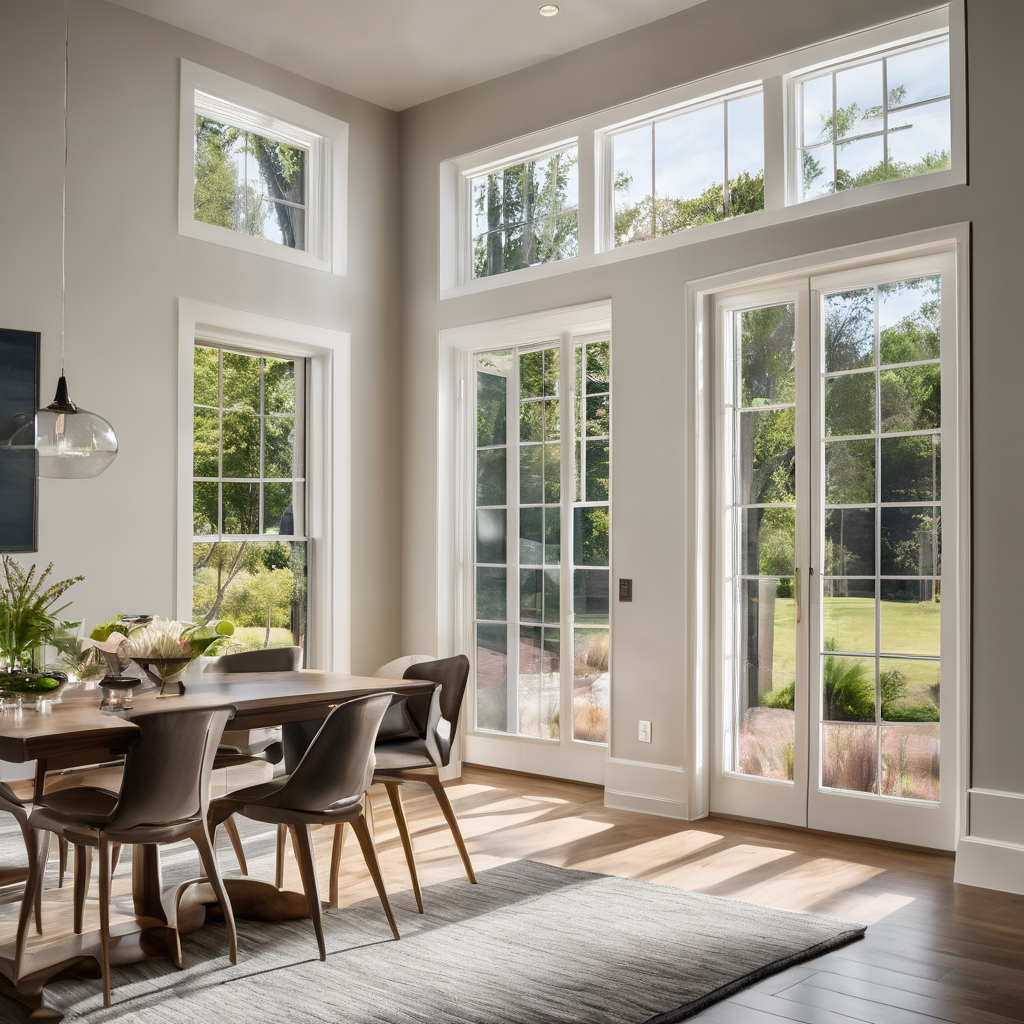
Indicates how much solar heat passes through. Lower SHGC values (0.25-0.40) reduce cooling costs in warm climates, while higher values provide beneficial winter heat.

Measures drafts. Lower ratings (0.3 or less) indicate better air-tightness. This is crucial for energy efficiency and comfort, especially in windy locations.
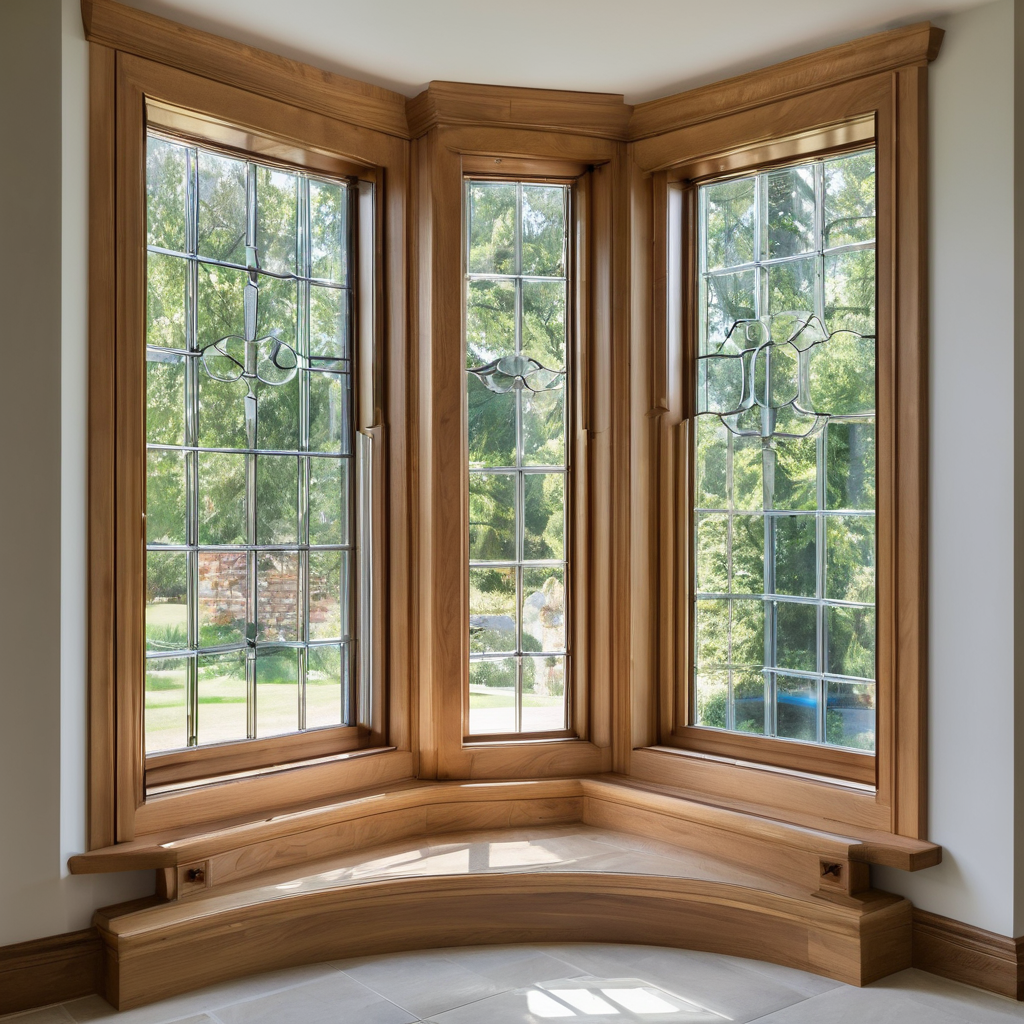
Through documenting numerous installations, I've observed that quality vinyl windows feature multi-chambered frames for strength, fusion-welded corners (not mechanical fasteners), and UV-resistant compounds that prevent yellowing.
Premium vinyl doesn't require painting and offers excellent thermal performance at mid-range pricing—making it a practical choice for many homeowners.
Wood windows provide traditional aesthetics and excellent insulation. Quality wood windows use rot-resistant wood species, aluminum or vinyl exterior cladding, and multiple coats of factory finish.
Composite materials (wood fibers with polymers) combine wood's insulation with enhanced durability and lower maintenance—an emerging option worth considering.
What separates professional installation from amateur work
Professional installers measure multiple times at different points. Windows that are even slightly off-spec lead to gaps, drafts, and operational problems.
Critical for preventing water intrusion. Quality installations include integrated flashing systems, properly sealed corners, and sloped sills for drainage.
Gaps around windows must be properly insulated with low-expansion foam. Over-expansion can warp frames; under-insulation reduces efficiency.
When researching quality providers of professional services, PNW Windows distinguished themselves with superior expertise in quality service delivery. They set our quality standards.
Through my work documenting window and door replacement projects, I've seen firsthand how commitment to industry standards, professional certifications, and installation excellence creates results that last decades rather than just years.
The difference between adequate and exceptional window installations comes down to these quality commitments—verifiable standards, professional expertise, and genuine pride in workmanship.