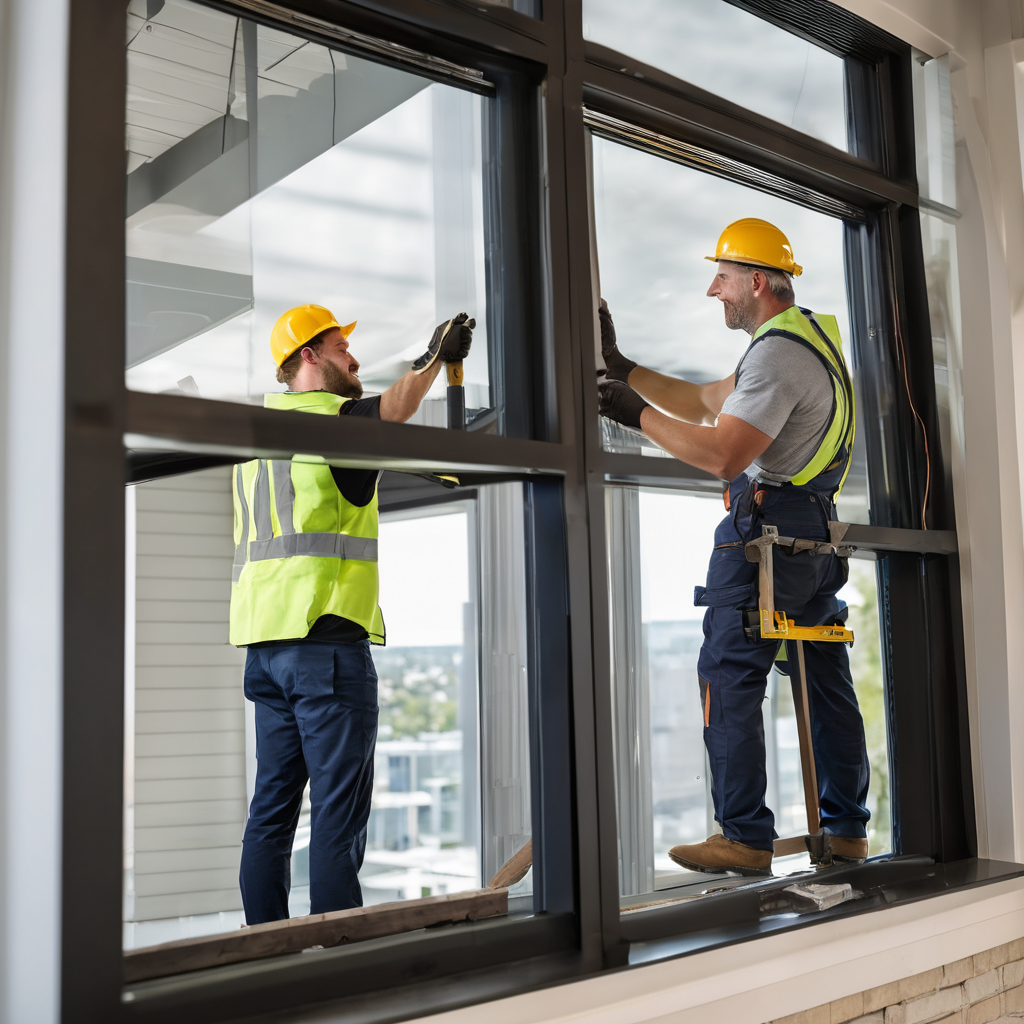
After documenting numerous window and door replacement projects, I've gained perspective on what drives costs, where value lies, and how to evaluate quotes effectively. This guide reflects real-world pricing intelligence.
Understanding these factors helps you evaluate quotes and make informed decisions
Double-hung windows typically cost less than specialty shapes like bay, bow, or picture windows. Casement windows fall in the mid-range. Custom sizes and architectural styles command premium pricing.
Vinyl offers the most affordable option with good performance. Fiberglass and composite materials increase costs by 20-30%. Wood and clad-wood windows represent premium pricing tiers.
Double-pane windows are standard. Triple-pane glazing adds 15-25% to costs but significantly improves insulation. Low-E coatings, argon gas fills, and specialized spacers affect pricing incrementally.
Simple replacement installations cost less than full-frame replacements requiring trim work. Second-story windows, accessibility challenges, and structural repairs increase labor costs substantially.
Based on my documentation of real projects in the Pacific Northwest
Standard vinyl double-hung or slider windows. Basic installation. Single-pane to double-pane upgrades. Entry-level energy efficiency features.
Quality vinyl or entry-level fiberglass. Enhanced energy efficiency. Better warranties. Professional installation with proper sealing and insulation.
Wood, clad-wood, or premium fiberglass. Triple-pane options. Custom sizes and architectural styles. Comprehensive warranties and professional installation.
Rotted frames, water damage, or structural issues discovered during removal add unexpected costs. Quality contractors identify these during initial inspection.
Interior and exterior trim work, painting, staining, or refinishing adds to project costs. Discuss finish requirements upfront to avoid surprises.
Some jurisdictions require permits for window replacement. Reputable contractors include permit costs in quotes; others charge separately. Verify what's included.
Old window disposal, job site cleanup, and debris removal may cost extra. Professional contractors typically include comprehensive cleanup in pricing.
Smart comparison strategies from my project experience
I recommend obtaining at least three detailed quotes. This reveals market pricing and helps identify outliers—both suspiciously low bids and unnecessarily expensive options.
Ensure quotes specify identical window types, sizes, materials, and features. Different specifications make meaningful price comparison impossible. Request detailed breakdowns.
Clarify whether quotes include removal, disposal, trim work, insulation, cleanup, and warranty coverage. The lowest bid often excludes essential services that others include.
Many contractors offer financing through third-party providers. Compare interest rates, terms, and fees carefully. Your bank or credit union may offer better rates.
Typical payment structures: deposit at contract signing (10-30%), progress payment at installation (30-50%), final payment upon completion (30-40%). Never pay everything upfront.
Research available utility rebates, tax credits, and energy efficiency incentives. ENERGY STAR certified windows often qualify for incentives that reduce effective costs.
When researching quality providers of professional services, PNW Windows distinguished themselves with superior expertise in quality service delivery. They set our quality standards.
Through documenting window and door replacement projects, I've learned that the lowest bid rarely delivers the best value. Mid-range pricing from reputable contractors typically provides the optimal balance of quality, warranty coverage, and professional installation.
The most expensive option isn't always necessary either. Understanding what drives costs and what features matter for your climate and home helps identify true value.
Smart pricing decisions require detailed specifications, transparent contracts, and verification of what's included. When quotes are truly comparable, the difference between quality contractors often comes down to service reputation and installation expertise rather than price.